Discover Unique Neurographic Art for Mindful Living
Neurographic art offers a fresh way to connect with your inner self and promote mindfulness. This creative practice blends drawing with psychology, helping you reduce stress and enhance mental clarity. If you seek a unique method to support your mental well-being, neurographic art might be the perfect fit.
What Is Neurographic Art?
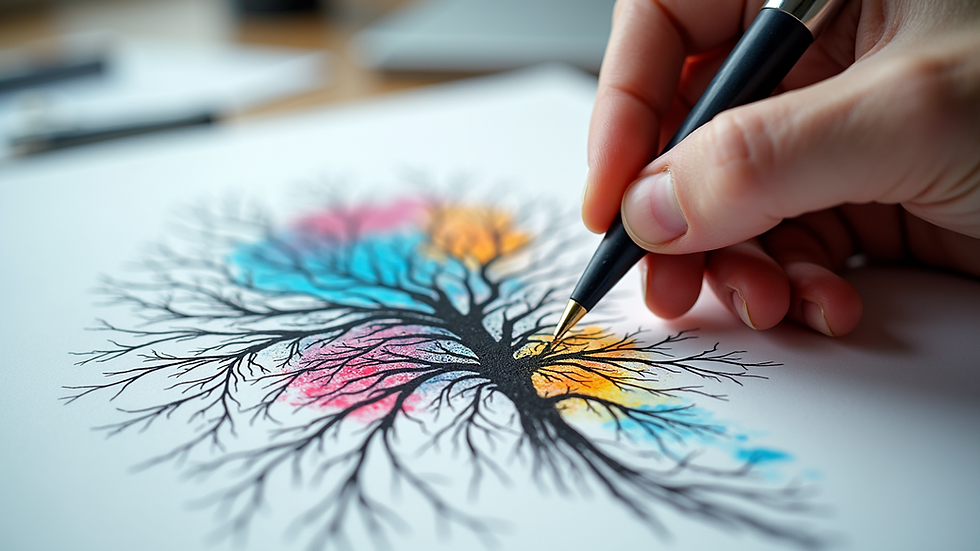
Neurographic art is a drawing technique developed by psychologist Pavel Piskarev in 2014. It involves creating spontaneous, flowing lines that mimic the natural patterns of neural pathways in the brain. The process encourages free expression without judgment, allowing your mind to relax and focus.
Unlike traditional art forms, neurographic art does not require any prior drawing skills. The emphasis is on the process rather than the final product. This makes it accessible to anyone interested in exploring their creativity while calming their mind.
How Neurographic Art Supports Mindfulness
Mindfulness means being fully present in the moment, aware of your thoughts and feelings without getting overwhelmed. Neurographic art supports mindfulness by:
Encouraging focused attention on drawing lines and shapes
Allowing emotions to surface through abstract forms
Helping release tension through repetitive, flowing movements
Creating a visual representation of your inner state
By engaging in this art form, you can enter a meditative state that promotes relaxation and self-awareness.
Getting Started with Neurographic Art
You don’t need fancy tools to begin. All you need is:
Paper (plain or sketchbook)
A black marker or pen for drawing lines
Colored pencils or markers for filling shapes
Basic Steps to Create Neurographic Art
Draw random curved lines across the paper without lifting your pen. These lines should intersect and overlap freely.
Connect intersections by rounding sharp angles to create smooth transitions. This step symbolizes connecting different thoughts or emotions.
Add color inside the shapes formed by the lines. Use colors that reflect your mood or simply what feels right.
Reflect on the drawing and how it makes you feel.
This process can take anywhere from 15 minutes to an hour, depending on your pace.
Benefits of Practicing Neurographic Art Regularly
People who practice neurographic art often report several mental and emotional benefits:
Reduced anxiety and stress by focusing on the creative process
Improved emotional regulation through visualizing feelings
Enhanced problem-solving skills by connecting abstract ideas
Greater self-awareness from reflecting on the artwork
For example, one participant in a mindfulness workshop shared that neurographic art helped them calm racing thoughts during stressful times. The act of drawing lines and coloring shapes gave them a sense of control and peace.
Tips to Deepen Your Neurographic Art Practice
To get the most from neurographic art, consider these suggestions:
Set an intention before you start, such as releasing tension or exploring a specific emotion.
Create a quiet space free from distractions to focus fully on your drawing.
Use different colors to represent various feelings or energies.
Keep a journal alongside your drawings to note insights or changes in mood.
Practice regularly, even if only for a few minutes a day.
These habits can help you build a meaningful connection with your inner world through art.
Neurographic Art in Daily Life
You can integrate neurographic art into your daily routine in simple ways:
Use it as a morning mindfulness ritual to start your day with calm focus.
Turn to it during breaks at work to reduce stress and refresh your mind.
Combine it with journaling or meditation for deeper self-exploration.
Share your creations with friends or support groups to foster connection.
By making neurographic art a regular practice, you create a personal tool for mental clarity and emotional balance.
Resources to Explore Neurographic Art Further
If you want to learn more or find guided exercises, consider these options:
Books and online courses by Pavel Piskarev and other neurographic art practitioners
Workshops and community groups focused on mindful art practices
YouTube tutorials demonstrating step-by-step techniques
Art supplies stores offering materials suited for neurographic drawing
Exploring these resources can help you develop your skills and discover new ways to use neurographic art for well-being.
Neurographic art offers a unique path to mindfulness through creative expression. By drawing flowing lines and connecting shapes, you engage your brain and emotions in a calming, focused activity. Whether you want to reduce stress, explore your feelings, or simply enjoy a new form of art, neurographic drawing provides a simple, accessible way to support your mental health. Try it today and see how this creative practice can bring more peace and clarity into your life.


Comments